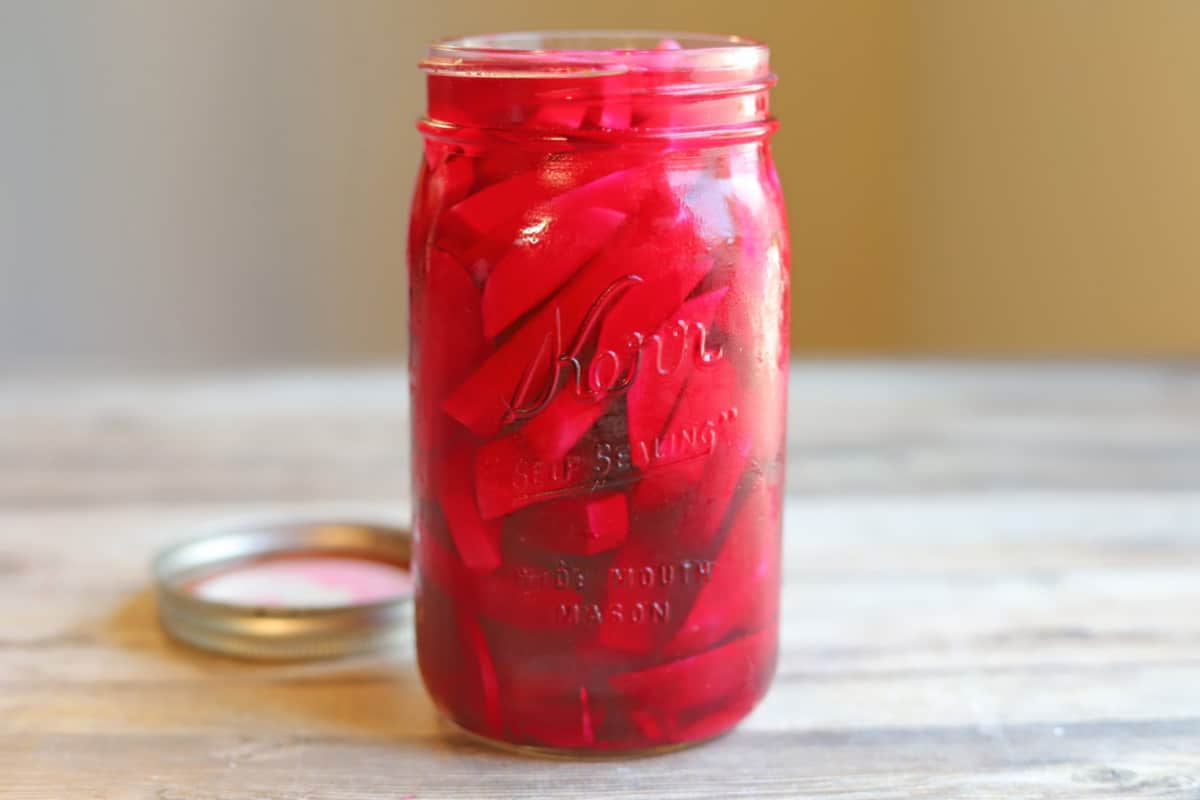
Get Hot Pink Pickled Turnips for Authentic Middle Eastern Dishes
In the vibrant tapestry of Middle Eastern cuisine, certain condiments aren't just an afterthought; they're an essential thread that weaves together the entire culinary experience. Among these, the hot pink pickled turnip stands out, not only for its stunning visual appeal but for the burst of tangy, earthy flavor it brings to countless dishes. Often mistaken for an artificially colored delicacy, these beautiful pickles owe their impressive fuchsia hue entirely to the humble beet, offering a natural and utterly delicious accompaniment that can transform an ordinary meal into an authentic Middle Eastern feast.
If you’ve ever savored a mouth-watering shawarma or a crispy falafel wrap, chances are you’ve encountered these crisp, zesty turnips. They deliver a refreshing crunch and a distinctive piquant sweetness that cuts through rich flavors, balancing and enhancing every bite. What's even better? Crafting your own batch of these incredible pickles at home is surprisingly straightforward, requiring just a handful of ingredients and minimal effort for a truly rewarding result.
The Vibrant Heart of Middle Eastern Cuisine: Why Pink Pickled Turnips?
For centuries, fermentation and pickling have been cornerstone preservation methods in the Middle East, giving rise to an array of condiments that are as flavorful as they are functional. Pink pickled turnips, known as *lift* in Arabic, are arguably one of the most iconic. They are more than just a side dish; they are a culinary punctuation mark, an essential component that elevates the taste profile of many regional staples.
Their distinct flavor profile is a complex dance of tangy, sweet, and subtly earthy notes, punctuated by a satisfyingly crisp and crunchy texture. This combination makes them an indispensable partner for hearty meat dishes, savory legumes, and fresh salads alike. The visual appeal is undeniable – that shocking, brilliant pink adds a playful pop of color to any plate, making your meals not just tastier but also more inviting.
Many unfamiliar with Middle Eastern cooking often wonder about the source of such an intense pink. Rest assured, there's no artificial coloring involved. The secret lies in a small addition of fresh beetroot, which naturally bleeds its pigments into the pickling brine, staining the white turnips a magnificent hot pink. This natural transformation is a testament to the beauty of traditional food preparation, proving that the most striking aesthetics often come straight from nature.
Unlocking Authentic Flavor with Simple Pink Pickled Turnips
The beauty of making *simple pink pickled turnips* at home lies in their incredible ease of preparation. This isn't a complex culinary endeavor; it's a wonderfully accessible introduction to the world of pickling, perfect for beginners and seasoned home cooks alike. You’ll be surprised at how quickly you can assemble a batch that promises weeks of delightful flavor.
The core recipe typically calls for just five main ingredients, plus water: fresh turnips, a small amount of beet for color, white vinegar, salt, and garlic. That's it! This simplicity ensures that the natural flavors of the turnips and the tang of the brine truly shine through.
The process begins with ensuring proper hygiene, which is paramount in pickling. Sterilizing your jars and lids thoroughly prevents unwanted bacterial growth, safeguarding your pickles and extending their shelf life. Once your vessels are pristine, it's a matter of preparing your vegetables – slicing the turnips and beets into uniform pieces allows for even pickling and ensures a consistent texture. For a comprehensive guide that highlights just how easy this process can be, explore our article on
Ingredient Pink Pickled Turnips: Easy Middle Eastern Flavor.
The Magic Behind the Hue: Beets to the Rescue
As mentioned, the vibrant, eye-catching pink of these pickled turnips is entirely thanks to beets. When added to the pickling brine, beets release their natural betacyanin pigments, which are absorbed by the turnips, transforming them from white to a stunning fuchsia. It's a fantastic example of natural food coloring in action.
Crucially, the beets primarily serve a cosmetic purpose. They impart very little, if any, discernible flavor to the final pickled turnips. This means you get all the characteristic tang and crunch of pickled turnip, enhanced by a beautiful visual appeal, without any earthy beet taste dominating the profile. You have the flexibility to slice your beets thinly, similar to the turnips, or chop them into thicker rounds or chunks. The latter approach makes them easy to distinguish and remove from the jar if you prefer not to eat the pickled beets themselves, though they are perfectly edible and delicious in their own right.
Mastering the Brine: Tips for Perfect Pickling
The pickling brine is the heart of your *simple pink pickled turnips*. It’s a carefully balanced solution of water, salt, and vinegar that not only preserves the vegetables but infuses them with their signature tangy flavor. Getting the salinity right is key, as salt plays a vital role in preventing spoilage and promoting the desired fermentation.
A traditional, time-honored method to test the brine's salt content involves a fresh egg. If you gently place a raw egg (in its shell) into the brine solution, it should float, indicating sufficient salt concentration. If it sinks, add more salt gradually until the egg just barely lifts to the surface. This technique ensures your brine is adequately saline for safe and effective pickling.
Once your brine is perfected, carefully arrange your sliced turnips and beets into the sterilized jars. Pour the brine over the vegetables, making sure every piece is fully submerged. This is critical to prevent spoilage and ensure even pickling. Any vegetable exposed to air might spoil. A common trick is to use a small pickling weight or even a clean, heavy stone to keep everything submerged beneath the liquid.
Versatility on Your Plate: How to Enjoy Your Hot Pink Pickles
Once your *simple pink pickled turnips* are ready – typically after a week of patiently pickling on your countertop – a world of culinary possibilities opens up. These tangy, crunchy delights are incredibly versatile and serve as a perfect complement to a vast array of dishes, solidifying their status as a pantry staple in Middle Eastern kitchens.
Their most classic pairings include:
- Shawarma and Gyros: The crisp texture and sharp tang cut through the richness of marinated meats, adding a refreshing counterpoint.
- Falafel: A dollop of pickled turnips inside a pita with falafel, tahini, and fresh vegetables is an absolute must for an authentic experience.
- Kabobs and Grilled Meats: Whether it’s lamb, chicken, or beef kabobs, the pickles provide a bright, acidic contrast that cleanses the palate.
- Meze Platters: As part of a larger spread of small dishes, they offer a vibrant splash of color and a zesty bite alongside hummus, baba ghanoush, and olives.
- Chicken Salads: Finely diced, they can add an unexpected crunch and tang to creamy chicken salads.
- Rice and Yogurt Dishes: A small serving can elevate simple rice and yogurt preparations, offering a burst of flavor.
- Snacks: For pickle enthusiasts, they make a wonderfully addictive snack all on their own!
Beyond these traditional uses, don't hesitate to get creative. Add them to sandwiches, chop them into grain bowls, or serve them alongside roasted vegetables. Their vibrant flavor profile can invigorate almost any meal. If you're eager to get started on your own batch, our guide to
Homemade Pink Pickles: Tangy Turnips in Just 5 Days offers a streamlined approach to enjoying these zesty treats in no time.
The Patience of Pickling: Countertop vs. Fridge
After assembling your jars, the waiting game begins. Most recipes recommend letting your *simple pink pickled turnips* sit at room temperature on your countertop for about 5 to 7 days. This period allows the flavors to fully meld, the turnips to absorb the brine, and the beets to impart their glorious pink hue. The warmer temperature encourages a gentle fermentation process, contributing to a deeper flavor development and a firmer texture.
While room-temperature pickling is traditional and often yields the best results, some might feel apprehensive about leaving food out for an extended period. If this makes you uneasy, you can certainly opt to pickle them in the refrigerator from day one. Be aware, however, that the cold environment will significantly slow down the pickling process, meaning it might take longer for the flavors and color to fully develop, potentially extending the waiting period to two weeks or more.
Once your pickles have reached your desired level of tang and color, they should be transferred to the refrigerator. Stored in the cold, your homemade pink pickled turnips will keep beautifully for several weeks, if not a month, allowing you to enjoy their authentic flavor over many meals.
Conclusion
The simple pink pickled turnip is a testament to how humble ingredients, combined with a touch of traditional wisdom, can create something truly extraordinary. More than just a condiment, these hot pink delights are a culinary cornerstone of Middle Eastern cuisine, offering a captivating blend of tangy flavor, satisfying crunch, and dazzling color. Their ease of preparation makes them an ideal project for any home cook looking to explore new flavors or bring an authentic touch to their table. By following a few simple steps, you can unlock a world of vibrant taste that will elevate everything from everyday meals to special occasion spreads. So, embrace the simplicity, savor the process, and get ready to enjoy the incredible magic of homemade pink pickled turnips.